

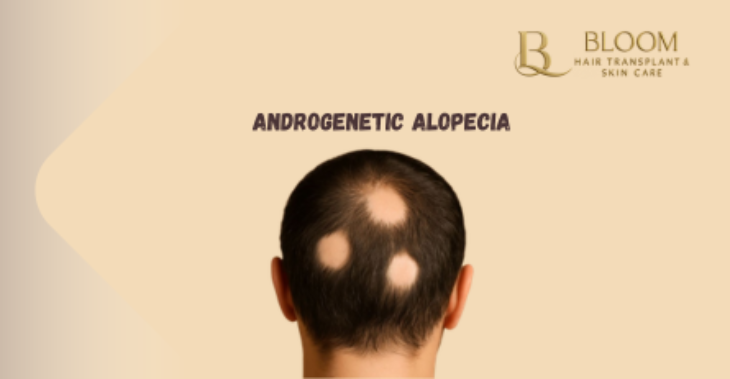
Androgenetic Alopecia: Causes, Symptoms & Daily Coping Guide
Hair loss is one of the most common concerns affecting both men and women across different age groups. While temporary shedding due to stress or illness may improve over time, some forms of hair loss progress gradually and become more noticeable year after year. One of the most common long-term causes of progressive hair thinning is androgenetic alopecia.
Often referred to as male pattern baldness in men and female pattern hair loss in women, androgenetic alopecia develops slowly and may begin with subtle changes that are easy to ignore. Men may first notice a receding hairline or thinning crown, while women often experience widening of the hair partition and reduced hair density across the scalp.
Because the condition progresses gradually, many individuals delay seeking guidance until significant thinning becomes visible. Unfortunately, waiting too long may reduce the chances of preserving existing follicles effectively.
Across India, changing lifestyles, chronic stress, poor sleep, nutritional imbalance, hormonal changes, pollution exposure, and increasing awareness about appearance have made hair loss a growing emotional and aesthetic concern. Although genetics play a major role in androgenetic alopecia, several lifestyle and scalp health factors may influence the speed and severity of progression.
The positive aspect is that understanding the condition early can help individuals make informed decisions about scalp care, treatment options, and long-term hair management.
This detailed guide explains androgenetic alopecia in simple terms, including its causes, symptoms, emotional impact, progression patterns, treatment approaches, coping strategies, and preventive scalp care habits.
What Is Androgenetic Alopecia?
Androgenetic alopecia is a hereditary form of progressive hair thinning.
It affects both men and women, although the pattern of hair loss usually differs.
The condition occurs when genetically sensitive hair follicles gradually shrink over time.
As follicles become smaller, the hair produced becomes:
- Thinner
- Shorter
- Weaker
- Less pigmented
Eventually, some follicles may stop producing visible hair altogether.
This gradual process is known as follicular miniaturisation.
Why Does Androgenetic Alopecia Happen?
Genetics plays the biggest role.
People with a family history of pattern baldness are more likely to experience androgenetic alopecia.
Hormonal sensitivity also contributes significantly.
Certain hair follicles become sensitive to hormones called androgens, especially dihydrotestosterone (DHT).
Over time, DHT sensitivity may shorten the hair growth cycle and weaken follicles progressively.
How Hair Loss Appears in Men
Men commonly notice:
- Receding hairline
- Thinning at the crown
- M-shaped hairline
- Reduced density on the top scalp
- Gradual progression toward baldness
The side and back hair usually remain denser because those follicles are less sensitive to DHT.
How Hair Loss Appears in Women
Women usually experience:
- Widening hair partition
- Diffuse thinning across the crown
- Reduced overall volume
- Increased scalp visibility
- Thinner ponytail density
Complete baldness is less common in women, but the thinning may still become emotionally distressing.
Early Warning Signs You Should Not Ignore
Recognising the early signs can help support timely intervention.
Increased Hair Shedding
Some individuals first notice more strands while washing or combing.
Gradual Thinning
Hair may slowly lose volume over time.
Changes in Hair Texture
Hair strands may begin appearing finer and weaker.
Visible Scalp Areas
The scalp may become easier to see under bright light.
Slow Hair Growth
Hair may appear to grow more slowly than before.
Family History of Baldness
Genetic predisposition increases the likelihood of androgenetic alopecia.
Can Stress Cause Androgenetic Alopecia?
Stress alone may not directly create hereditary baldness, but chronic stress can worsen ongoing hair thinning.
Emotional stress may increase hair shedding and affect scalp health.
Many individuals notice faster progression during periods of:
- Sleep deprivation
- Anxiety
- Work pressure
- Emotional trauma
- Poor lifestyle habits
Emotional Impact of Pattern Hair Loss
Hair thinning affects more than physical appearance.
Many individuals experience:
- Reduced confidence
- Social anxiety
- Emotional frustration
- Stress during grooming
- Fear of aging appearance
- Self-consciousness in public
Women especially may feel emotionally overwhelmed because hair is strongly connected to identity and self-image.
Why Early Diagnosis Matters
Androgenetic alopecia usually progresses gradually.
The earlier the condition is identified, the better the chances of slowing further thinning and preserving existing follicles.
Waiting until advanced baldness develops may reduce available treatment flexibility.
Early assessment also helps distinguish pattern hair loss from temporary shedding conditions.
Common Factors That May Worsen Hair Loss
Although genetics play a major role, certain habits may accelerate thinning.
Poor Nutrition
Low protein, iron deficiency, crash dieting, and poor eating habits may weaken hair quality.
Smoking and Alcohol
Lifestyle habits affecting circulation and inflammation may influence scalp health negatively.
Poor Sleep
Hair recovery and hormonal balance depend heavily on proper sleep.
Excessive Heat and Chemicals
Frequent styling damage may worsen already weakened hair.
Stress and Anxiety
Chronic stress may intensify shedding.
Importance of Healthy Scalp Care
Healthy follicles require a supportive scalp environment.
Gentle Cleansing
Use scalp-friendly products suitable for your hair type.
Avoid Harsh Chemicals
Limit unnecessary exposure to strong treatments.
Reduce Heat Styling
Excessive heat may increase breakage and dryness.
Maintain Scalp Hygiene
Proper cleansing helps reduce buildup and irritation.
Avoid Aggressive Grooming
Excessive pulling and tight hairstyles may worsen thinning.
Individuals focusing on long-term scalp maintenance often explore educational resources related to hair loss care to better understand healthier hair management practices.
Nutrients Important for Hair Health
Protein
Hair requires adequate protein for healthy structure.
Iron
Iron deficiency may worsen diffuse thinning.
Vitamin D
Vitamin D supports scalp and follicle function.
Zinc and Biotin
These nutrients help support healthier hair quality.
Omega-3 Fatty Acids
Healthy fats may support scalp nourishment.
Diagnosis and Hair Assessment
Doctors may evaluate:
- Hair density
- Hairline pattern
- Crown thinning
- Family history
- Scalp health
- Nutritional deficiencies
- Hormonal health
- Lifestyle habits
Blood investigations may sometimes be recommended to assess contributing factors.
Treatment Options for Androgenetic Alopecia
Treatment depends on the stage and severity of thinning.
Medical Management
Doctors may recommend treatments aimed at slowing progression and supporting follicle function.
PRP Therapy
Platelet-rich plasma therapy may help support scalp stimulation in selected individuals.
Nutritional Support
Correcting deficiencies may improve overall scalp health.
Lifestyle Improvement
Stress reduction, sleep quality, hydration, and nutrition all support healthier scalp function.
Hair Restoration Procedures
In advanced stages, restorative procedures may sometimes be considered.
Individuals exploring advanced density restoration options often learn more about personalised approaches available through a Hair Transplant in Mumbai consultation while understanding realistic expectations and long-term planning.
Can Androgenetic Alopecia Be Prevented?
Genetic predisposition cannot always be prevented completely.
However, early awareness and scalp care may help slow progression in some individuals.
Maintain Balanced Nutrition
Healthy eating habits support stronger hair quality.
Manage Stress
Mental wellbeing affects overall scalp health.
Sleep Properly
Sleep supports hormonal balance and tissue repair.
Avoid Smoking
Healthy circulation supports follicular function.
Seek Early Guidance
Early intervention may help preserve existing density longer.
Daily Coping Tips for Living with Hair Loss
Hair loss management also involves emotional coping and practical adjustments.
Choose Realistic Hairstyles
Haircuts suited to thinning patterns may improve appearance.
Avoid Comparing Yourself Constantly
Hair loss progression varies greatly between individuals.
Focus on Scalp Health
Healthy habits support long-term maintenance.
Avoid Panic-Based Decisions
Rushing into unverified treatments may create disappointment.
Build Confidence Beyond Appearance
Mental wellbeing plays an important role in overall quality of life.
Myths About Androgenetic Alopecia
“Only Older Men Become Bald”
Pattern hair loss may begin in early adulthood.
“Hair Oils Can Reverse Genetic Baldness”
Oils may support scalp conditioning but cannot completely reverse hereditary follicle sensitivity.
“Wearing Caps Causes Baldness”
Normal cap usage does not directly cause genetic hair loss.
“Women Don’t Experience Pattern Hair Loss”
Women can also experience progressive hereditary thinning.
Long-Term Hair Wellness Strategies
Focus on:
- Balanced meals
- Consistent sleep
- Stress management
- Gentle scalp care
- Proper hydration
- Limiting harsh styling
- Regular health checkups
Individuals interested in modern aesthetic hair restoration awareness often explore information related to Celebrity Hair Transplant in Mumbai while understanding advanced restoration techniques and realistic treatment expectations.
Importance of Realistic Expectations
Hair restoration and hair loss management require patience.
No treatment provides instant transformation overnight.
The goal often focuses on:
- Slowing progression
- Preserving existing follicles
- Improving scalp health
- Enhancing appearance naturally
- Supporting long-term maintenance
Realistic expectations help individuals make better-informed treatment decisions.
Androgenetic alopecia is one of the most common causes of progressive hair thinning in both men and women. Although genetics play a major role, early awareness, scalp care, lifestyle improvement, and timely guidance may help support healthier long-term management.
Recognising the early warning signs allows individuals to take proactive steps before thinning becomes advanced. Instead of relying on myths or panic-driven remedies, focusing on realistic scalp care and professional evaluation can lead to more informed and balanced decisions.
Hair loss can feel emotionally challenging, but understanding the condition properly helps individuals approach recovery and management with greater confidence and clarity.
FAQs
1. Is androgenetic alopecia permanent?
Androgenetic alopecia is a progressive hereditary condition, but early management may help slow further thinning and preserve existing hair.
2. Can women develop androgenetic alopecia?
Yes, women can experience female pattern hair loss, usually appearing as diffuse thinning across the crown and central scalp.
3. At what age can androgenetic alopecia start?
The condition may begin in early adulthood, although the timing and progression vary between individuals.