

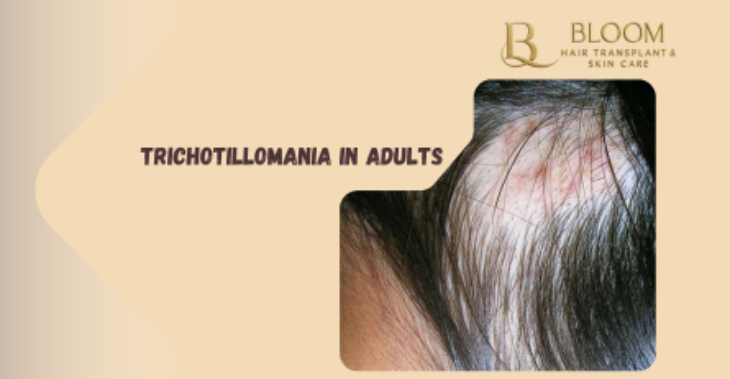
Trichotillomania in Adults: Stress-Related Hair Pulling Explained
Hair loss is often linked to genetics, hormones, nutritional deficiencies, or scalp disorders. However, in some individuals, hair thinning develops because of repeated hair pulling linked to emotional or psychological triggers. One such condition is trichotillomania.
Trichotillomania is a hair pulling disorder where individuals repeatedly pull out hair from the scalp or other body areas. Although the condition is often associated with children or teenagers, many adults also experience trichotillomania silently for years.
In adults, hair pulling may happen during periods of stress, anxiety, emotional tension, boredom, frustration, or even while concentrating. Some individuals remain aware of the behaviour, while others may pull hair automatically without fully realising how frequently it happens.
Because the condition is emotional and behavioural in nature, many people feel embarrassed discussing it openly. Some hide bald patches with hairstyles, caps, makeup, or grooming adjustments. Unfortunately, shame and lack of awareness often delay proper support.
Across India, conversations around emotional wellbeing and behavioural conditions are gradually increasing, but many individuals still avoid seeking help because of social stigma or fear of judgement.
The positive aspect is that trichotillomania can be managed with awareness, emotional support, behavioural guidance, stress management, and healthier coping strategies.
This detailed guide explains trichotillomania in adults in simple language, including causes, symptoms, emotional triggers, warning signs, scalp effects, treatment options, coping techniques, and long-term hair care awareness.
What Is Trichotillomania?
Trichotillomania is a condition involving repeated urges to pull out hair.
The pulling may affect:
- Scalp hair
- Eyebrows
- Eyelashes
- Beard hair
- Body hair
The behaviour may become repetitive and difficult to control.
Some individuals feel temporary relief, comfort, or emotional release after pulling hair.
Why Does Hair Pulling Happen?
The exact reason varies between individuals.
Hair pulling is often linked to emotional or behavioural triggers.
Stress and Anxiety
Emotional stress is one of the most common triggers.
Many individuals notice increased pulling during:
- Work pressure
- Emotional conflict
- Anxiety
- Sleep deprivation
- Relationship stress
- Personal frustration
Habitual Behaviour
Some people pull hair automatically while:
- Watching television
- Reading
- Studying
- Using mobile phones
- Thinking deeply
Emotional Regulation
Hair pulling may temporarily reduce emotional tension in some individuals.
Perfectionism and Emotional Sensitivity
Certain personality traits may contribute to repetitive pulling behaviour.
Mental Health Factors
Trichotillomania may sometimes coexist with anxiety disorders, depression, obsessive tendencies, or emotional distress.
Common Symptoms of Trichotillomania in Adults
Symptoms may vary depending on the severity and frequency of pulling.
Patchy Hair Loss
Uneven bald patches are commonly noticed.
Broken Hair Strands
Hair may appear irregular in length because of repeated pulling.
Repeated Urges to Pull Hair
Some individuals experience strong urges during emotional stress.
Relief After Pulling
Temporary emotional relief may occur after pulling.
Hiding Bald Areas
Many individuals use hairstyles, scarves, makeup, or caps to hide thinning areas.
Emotional Distress
People often feel guilt, embarrassment, or frustration regarding the behaviour.
How Trichotillomania Affects the Scalp
Repeated pulling may stress hair follicles.
Over time, excessive traction may lead to:
- Hair thinning
- Scalp irritation
- Follicular stress
- Reduced hair density
- Temporary bald patches
In severe long-term cases, repeated trauma may potentially affect follicle recovery.
Early Warning Signs You Should Not Ignore
Recognising symptoms early may help support healthier intervention.
Repeated Hair Twisting or Pulling
Frequent touching or pulling may become habitual.
Bald Patches Without Clear Medical Cause
Patchy thinning may appear suddenly.
Increased Pulling During Stress
Emotional pressure may intensify the behaviour.
Broken Hair of Uneven Length
Hair shafts may look irregular because of repeated pulling.
Emotional Frustration About Hair Loss
Many individuals feel distressed about both the pulling and the visible thinning.
Emotional Impact of Trichotillomania
Hair pulling disorder can affect emotional wellbeing significantly.
Many adults experience:
- Shame
- Anxiety
- Reduced confidence
- Social withdrawal
- Fear of judgement
- Emotional guilt
- Stress related to appearance
Some individuals avoid salons, social gatherings, or close interactions because of visible thinning.
Why Adults Often Hide the Condition
Many adults fear being misunderstood.
Because trichotillomania involves behavioural urges, individuals may worry that others will consider it a lack of self-control.
This emotional burden often delays support.
Creating awareness and reducing stigma are extremely important.
Common Mistakes People Make
Ignoring Emotional Triggers
Hair pulling often worsens during unmanaged stress.
Using Aggressive Hair Treatments
Chemical treatments may further weaken already stressed hair.
Feeling Excessive Shame
Avoiding emotional support may increase distress.
Self-Blame
Many individuals become emotionally harsh toward themselves.
Importance of Healthy Scalp Care
Scalp care alone may not stop the pulling behaviour, but it can support healthier scalp comfort.
Gentle Cleansing
Use mild scalp-friendly products.
Avoid Harsh Chemicals
Repeated chemical procedures may worsen scalp sensitivity.
Reduce Excessive Heat Styling
Heat may increase dryness and breakage.
Protect Fragile Hair Areas
Gentle grooming may reduce unnecessary stress on weakened follicles.
Individuals focusing on healthier scalp recovery and long-term wellness often explore educational resources related to hair loss care to better understand scalp support, thinning prevention, and hair management awareness.
Coping Strategies for Adults with Trichotillomania
Managing trichotillomania usually requires both emotional and behavioural support.
Stress Management
Reducing emotional stress may help reduce pulling urges.
Helpful practices may include:
- Meditation
- Deep breathing
- Better sleep habits
- Physical activity
- Relaxation techniques
Habit Awareness
Recognising situations that trigger pulling can help improve self-awareness.
Behavioural Therapy Support
Professional behavioural guidance may help individuals develop healthier coping mechanisms.
Keeping Hands Occupied
Some individuals benefit from stress balls, fidget tools, or alternative hand activities.
Emotional Support
Open communication with trusted professionals or family members may reduce emotional isolation.
Nutritional Support for Hair Health
Balanced nutrition supports healthier hair quality.
Protein
Hair structure depends heavily on protein intake.
Iron
Iron deficiency may worsen thinning.
Vitamin D and Zinc
These nutrients support scalp wellness.
Hydration
Proper hydration supports overall skin and scalp health.
When Should You Seek Professional Help?
Professional support becomes important if:
- Hair pulling becomes difficult to control
- Bald patches worsen
- Emotional distress increases
- Anxiety becomes severe
- Pulling interferes with daily life
- Scalp damage develops
Early guidance may help improve both emotional wellbeing and scalp health.
Diagnosis and Assessment
Healthcare professionals may evaluate:
- Hair loss pattern
- Emotional triggers
- Pulling frequency
- Stress factors
- Behavioural habits
- Scalp condition
- Emotional wellbeing
Assessment focuses on understanding both the scalp changes and behavioural patterns.
Can Hair Grow Back After Trichotillomania?
Hair regrowth depends on the severity and duration of pulling.
In many individuals, follicles may recover if pulling is reduced early.
However, repeated long-term trauma may affect follicular recovery in some cases.
Hair Restoration Awareness
Individuals with long-term thinning sometimes explore restoration awareness after achieving stable control over the pulling behaviour.
Some people learn more about advanced scalp restoration approaches through a Hair Transplant in Mumbai consultation while understanding realistic expectations and long-term scalp planning.
Myths About Trichotillomania
“It Is Just a Bad Habit”
Trichotillomania is more complex than a simple habit.
“Only Children Experience Hair Pulling”
Adults may also struggle with repetitive hair pulling.
“People Can Stop Instantly If They Want”
Behavioural urges may feel difficult to control without support.
“Hair Always Grows Back Completely”
Severe repeated pulling may affect follicular recovery in some cases.
Long-Term Emotional Wellness Tips
Focus on:
- Stress management
- Emotional self-awareness
- Better sleep
- Gentle scalp care
- Supportive routines
- Professional guidance when needed
- Avoiding self-criticism
Mental wellbeing plays a major role in long-term recovery.
Individuals interested in understanding modern hair restoration awareness and aesthetic planning often explore information related to Celebrity Hair Transplant in Mumbai while learning about scalp recovery expectations, advanced restoration approaches, and confidence-building hair management solutions.
Importance of Awareness and Compassion
Many adults with trichotillomania silently struggle with emotional guilt and embarrassment.
Greater awareness can help reduce stigma and encourage healthier conversations around emotional wellbeing and behavioural conditions.
Compassion, emotional support, and realistic management approaches often help individuals feel less isolated and more confident about seeking help.
Conclusion
Trichotillomania in adults is a stress-related hair pulling condition that may affect both emotional wellbeing and scalp health. Although the condition can feel emotionally overwhelming, understanding the triggers, recognising early warning signs, and seeking appropriate support may help improve long-term management.
Instead of hiding the condition or relying only on cosmetic concealment, individuals should focus on emotional wellbeing, stress reduction, scalp care, behavioural support, and healthier coping strategies.
Awareness and early guidance play an important role in protecting both scalp health and emotional confidence.
FAQs
1. Is trichotillomania a mental health condition?
Trichotillomania is considered a behavioural and emotional condition involving repeated urges to pull out hair.
2. Can hair grow back after hair pulling?
In many cases, hair may regrow if pulling is reduced early, although severe long-term trauma may affect follicle recovery.
3. What triggers trichotillomania in adults?
Stress, anxiety, emotional tension, boredom, frustration, and habitual behaviour are common triggers in