

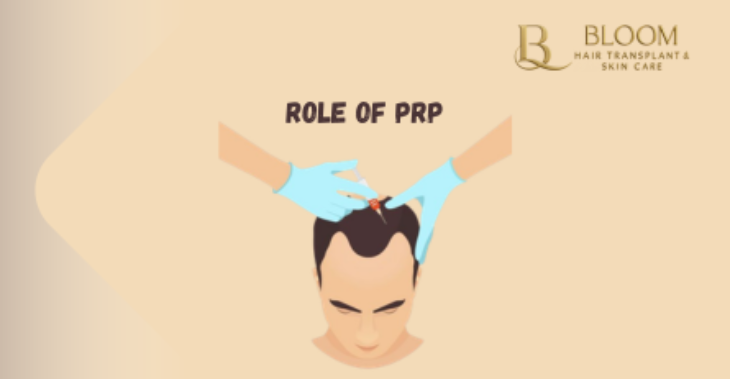
The Role of PRP (Platelet-Rich Plasma) Therapy in Hair Transplant Success
Hair transplantation has become one of the most reliable long-term solutions for hair loss. However, modern hair restoration techniques increasingly combine surgical procedures with supportive therapies to improve outcomes. One such advancement is PRP therapy in hair transplant success, which significantly enhances graft survival, accelerates healing, and stimulates stronger hair regrowth.
Platelet-Rich Plasma (PRP) therapy uses the body’s own healing components to improve follicle strength and scalp health. When used alongside hair transplant surgery, PRP plays a critical role in optimizing density, reducing recovery time, and improving overall transplant results.
Understanding how PRP works helps patients make informed decisions about advanced hair restoration options.
What Is PRP (Platelet-Rich Plasma) Therapy?
PRP therapy is a regenerative medical treatment prepared using a patient’s own blood.
The process involves:
- Drawing a small amount of blood
- Processing it in a centrifuge
- Separating platelet-rich plasma
- Injecting the plasma into the scalp
Platelets contain powerful growth factors that promote healing and tissue regeneration.
These growth factors help:
- Stimulate dormant hair follicles
- Improve scalp circulation
- Strengthen transplanted grafts
- Support new hair growth
Because PRP uses the patient’s own biological material, it is considered safe and biocompatible.
Why PRP Therapy Is Used After Hair Transplant Surgery
Hair transplant success depends largely on graft survival during the healing phase. PRP therapy improves this critical stage.
PRP helps:
- Increase graft survival rate
- Strengthen implanted follicles
- Reduce inflammation
- Accelerate healing
- Improve hair shaft thickness
- Promote faster regrowth
These benefits make PRP a valuable complementary therapy in modern hair restoration.
How PRP Improves Hair Transplant Results
PRP therapy enhances hair transplant outcomes through multiple biological mechanisms.
Improves Blood Supply to Hair Follicles
Growth factors stimulate new blood vessel formation around transplanted grafts.
Better circulation improves:
- Oxygen delivery
- Nutrient supply
- Follicle stability
This supports long-term graft survival.
Activates Dormant Hair Follicles
PRP stimulates inactive follicles that may not respond adequately after transplantation.
This leads to:
- Increased hair density
- Stronger regrowth pattern
- Improved scalp coverage
Strengthens Existing Native Hair
PRP therapy benefits not only transplanted follicles but also surrounding natural hair.
This reduces:
- Ongoing thinning
- Future hair loss progression
- Patchy appearance after surgery
Role of PRP Therapy in Hair Transplant
Platelets release essential growth proteins responsible for tissue regeneration.
These include:
- Platelet-derived growth factor (PDGF)
- Transforming growth factor (TGF)
- Vascular endothelial growth factor (VEGF)
- Epidermal growth factor (EGF)
These growth signals stimulate follicle activity and improve healing efficiency.
When PRP Therapy Is Given After Hair Transplant
PRP therapy is typically performed in multiple sessions.
Common timeline includes:
Immediately During Surgery
Some surgeons apply PRP directly to grafts before implantation.
This improves early survival rate.
Within First Month After Surgery
Helps accelerate recovery and reduce inflammation.
Follow-Up Sessions Over 3–6 Months
Supports continuous follicle strengthening and regrowth stimulation.
Treatment schedules vary depending on patient needs.
PRP Therapy Before Hair Transplant Surgery
PRP may also be recommended before surgery.
Benefits include:
- Preparing scalp environment
- Improving circulation
- Strengthening donor hair
- Reducing shock loss risk
Pre-treatment improves hair transplant readiness.
PRP Therapy Reduces Shock Hair Loss After Transplant
Shock loss refers to temporary shedding of surrounding native hair after surgery.
PRP therapy helps reduce this risk by:
- Supporting follicle stability
- Enhancing tissue healing
- Improving blood circulation
- Strengthening neighboring hair roots
This helps maintain overall scalp density.
PRP Therapy Accelerates Healing After Hair Transplant
Healing speed directly influences transplant success.
PRP supports faster recovery by:
- Reducing inflammation
- Promoting tissue repair
- Minimizing redness
- Improving comfort during recovery phase
Patients often experience quicker return to routine activities.
Who Should Consider PRP Therapy After Hair Transplant?
PRP therapy is especially beneficial for individuals with:
Early Stage Hair Loss
Supports preservation of native follicles.
Diffuse Hair Thinning
Improves overall density.
Weak Donor Area Hair
Strengthens transplanted graft survival.
Previous Hair Transplant With Poor Density
Enhances regrowth outcomes.
Suitability depends on scalp condition and transplant planning.
How PRP Therapy Is Performed
PRP therapy is a minimally invasive outpatient procedure.
Steps include:
Step 1: Blood Collection
Small blood sample drawn from patient.
Step 2: Centrifugation Process
Separates platelet-rich plasma.
Step 3: PRP Injection Into Scalp
Growth-factor-rich plasma injected into targeted areas.
Procedure usually takes 30–45 minutes.
Patients resume routine activities shortly afterward.
Safety of PRP Therapy in Hair Restoration
PRP therapy is considered safe because it uses natural biological material from the patient.
Advantages include:
- Minimal allergy risk
- No surgical incision
- Low infection risk
- Quick recovery time
- High compatibility with transplant procedures
Side effects are generally mild and temporary.
Expected Results Timeline After PRP Therapy
Hair growth improvements appear gradually.
Typical timeline includes:
First Month
Reduced scalp inflammation and improved healing.
2–3 Months
Early regrowth visible.
4–6 Months
Improved thickness and density noticeable.
6–12 Months
Maximum improvement achieved.
Consistency of sessions improves results.
PRP Therapy vs Other Hair Growth Treatments
PRP therapy differs from medication-based treatments because it stimulates natural healing mechanisms.
Compared with topical treatments:
PRP provides:
- Faster follicle stimulation
- Better graft survival support
- Improved density enhancement
- Long-term regenerative benefits
Combination therapy often produces best outcomes.
Factors Affecting PRP Treatment Success
PRP effectiveness depends on several variables.
These include:
- Platelet concentration quality
- Timing of treatment sessions
- Severity of hair loss
- Overall scalp health
- Surgical technique quality
Customized Hair treatment planning improves outcomes.
Long-Term Benefits of PRP in Hair Transplant Patients
PRP therapy supports long-term transplant success by strengthening follicles over time.
Benefits include:
- Increased graft survival rate
- Improved hair thickness
- Better scalp circulation
- Reduced hair shedding
- Enhanced transplant density
It plays a supportive role in maintaining results after surgery.
FAQ
1. Is PRP therapy necessary after hair transplant surgery?
PRP therapy is not mandatory but significantly improves graft survival and overall hair growth results.
2. How many PRP sessions are required after hair transplant?
Most patients benefit from 3–4 sessions over several months depending on scalp condition.
3. Is PRP therapy painful?
PRP injections cause mild discomfort but are generally well tolerated and require minimal recovery time.