

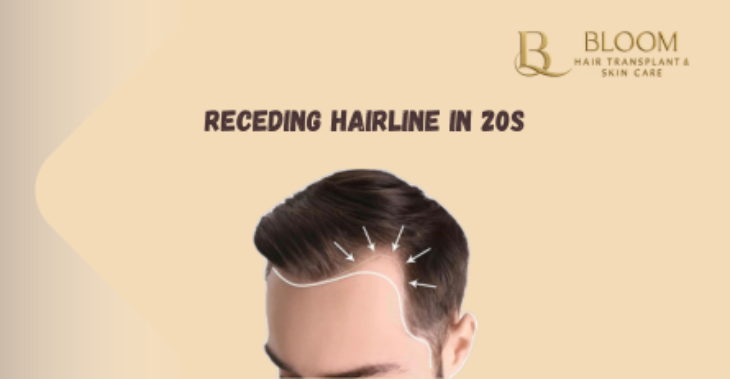
Receding Hairline in 20s: Early Warning Signs Men Should Know
Hair loss is often considered a problem linked to ageing, but many men begin noticing changes in their hairline much earlier than expected. For some, it starts with extra strands on the pillow. Others notice wider forehead corners, reduced hair density near the temples, or difficulty styling their hair the same way they used to. A receding hairline in your 20s can feel stressful, confusing, and emotionally exhausting, especially when it happens during a phase of life where confidence, appearance, and social interactions matter deeply.
The good news is that early hairline recession does not always mean immediate baldness. In many cases, recognising the warning signs early and understanding the root causes can help slow down progression and improve long-term hair health. Awareness plays a major role because many young men ignore the initial signs until the hair loss becomes visibly advanced.
Today, increasing stress levels, irregular lifestyles, poor dietary habits, sleep disturbances, pollution exposure, and genetic factors are contributing to hair thinning in younger age groups across India. While some amount of hair shedding is considered normal, a consistent backward movement of the hairline should not be overlooked.
Understanding the difference between a mature hairline and early male pattern baldness is important. A mature hairline may naturally move slightly higher with age, while progressive recession around the temples and thinning near the frontal scalp may indicate an underlying hair loss condition.
This detailed guide explains the early warning signs of a receding hairline in your 20s, common causes, treatment options, preventive measures, and when it may be time to consult a hair restoration specialist.
Understanding What a Receding Hairline Means
A receding hairline refers to the gradual backward movement of the frontal hairline, usually beginning around the temples. In many men, this process develops slowly and may initially appear subtle. The condition is commonly associated with androgenetic alopecia, also known as male pattern baldness.
Hair follicles gradually shrink over time due to hormonal sensitivity, resulting in thinner, shorter, and weaker strands. Eventually, the follicles may stop producing visible hair altogether.
Although genetics play a major role, modern lifestyle patterns can accelerate the process. Men in their early 20s may notice changes much earlier than previous generations due to multiple contributing factors.
Early Warning Signs You Should Not Ignore
Recognising early symptoms can help in timely intervention. Many men dismiss these changes initially, assuming the problem will reverse on its own.
Increased Hair Around the Temple Area
One of the earliest indicators is thinning near the temples. The hairline may start forming an “M” shape, especially when compared to older photographs.
This recession usually develops gradually, making it difficult to notice on a daily basis. Comparing photographs from one or two years earlier often helps identify progression.
More Hair Fall During Washing or Combing
Losing some hair every day is normal. However, excessive shedding while shampooing, towel drying, or combing can indicate weakening follicles.
If hair fall continues consistently for several months along with visible thinning, it should not be ignored.
Reduced Hair Density Near the Front
The frontal scalp may begin appearing less dense than before. Hairstyles that once looked fuller may suddenly appear flat.
Some men also notice increased scalp visibility under bright lighting.
Difficulty Styling Hair
When hair texture changes due to miniaturisation of follicles, styling becomes harder. Hair may refuse to stay in place or appear thinner even after grooming.
Widening Forehead Appearance
A gradually enlarging forehead is another common sign. Many men notice that their hairline sits farther back than before.
Family History of Hair Loss
If male relatives experienced early hair loss, the chances of developing a receding hairline increase significantly.
Genetics remain one of the strongest contributing factors in androgenetic alopecia.
Common Causes of Receding Hairline in Young Men
Hair loss rarely occurs because of one single reason. In most cases, multiple factors work together.
Genetic Predisposition
Male pattern baldness is strongly linked to inherited sensitivity to a hormone derived from testosterone.
gradually shrinks hair follicles, reducing their growth cycle.
Men with a family history of baldness are more likely to experience early recession.
Stress and Mental Pressure
Modern lifestyles often involve academic pressure, work stress, financial responsibilities, and emotional strain.
Chronic stress can disrupt the hair growth cycle and worsen shedding.
Sleep deprivation and anxiety can further aggravate scalp health.
Poor Nutrition
Hair requires adequate protein, iron, zinc, biotin, and vitamins for healthy growth.
Unhealthy eating habits, crash dieting, excessive junk food intake, and skipping meals can contribute to weak hair roots.
Smoking and Alcohol Consumption
Smoking reduces blood circulation to the scalp and increases oxidative stress.
Excessive alcohol consumption may also affect nutrient absorption and hormonal balance.
Excessive Heat and Chemical Styling
Frequent use of hair wax, gels, straighteners, harsh shampoos, colouring agents, and styling tools can damage hair quality.
Although these may not directly cause genetic baldness, they can weaken already vulnerable hair.
Hormonal Imbalances
Hormonal fluctuations, thyroid disorders, and certain medical conditions may accelerate hair thinning.
Poor Scalp Care
An unhealthy scalp environment affected by dandruff, fungal infections, oil buildup, or inflammation may impact follicle health.
Men looking for guidance on maintaining scalp wellness and preventing progressive thinning often explore resources related to hair loss care for better awareness about long-term hair management.
Is It Normal to Lose Hair in Your 20s?
Some degree of hair shedding is completely normal. On average, people may lose around 50 to 100 strands daily.
However, continuous thinning combined with visible hairline recession is not considered routine hair fall.
If you notice persistent changes in hair density, scalp visibility, or widening temples over several months, professional evaluation becomes important.
Early intervention often offers better outcomes because active follicles respond more effectively during the initial stages.
Emotional Impact of Early Hair Loss
Hair loss at a young age affects more than appearance alone.
Many men experience:
- Reduced confidence
- Social anxiety
- Increased self-consciousness
- Stress about appearance
- Frustration during grooming
- Fear of premature ageing
Social media comparisons and beauty standards can further intensify emotional distress.
It is important to understand that hair loss is extremely common and medically manageable in many cases.
Seeking guidance early is a proactive step rather than something to feel embarrassed about.
Stages of Hairline Recession
Hair loss progression varies from person to person.
Stage 1: Minimal Changes
The hairline appears mostly intact with mild temple recession.
Stage 2: Noticeable Temple Recession
The classic “M-shaped” hairline begins developing.
Stage 3: Deepening Hairline Loss
Hair thinning becomes more visible and frontal density reduces.
Stage 4 and Beyond
Crown thinning may start combining with frontal recession.
Timely management during the earlier stages may help slow progression significantly.
Diagnosis and Hair Evaluation
A detailed scalp and hair assessment helps determine the underlying cause.
Doctors may evaluate:
- Hair density
- Hair shaft thickness
- Family history
- Scalp condition
- Lifestyle habits
- Nutritional deficiencies
- Hormonal factors
In some cases, blood investigations may be recommended to rule out deficiencies or medical conditions.
Treatment Options for Receding Hairline in 20s
Treatment depends on the severity, cause, and progression pattern.
Medical Management
Doctors may suggest medications that help slow hair loss and support follicle activity.
Consistency is important because hair regrowth takes time.
Self-medication should always be avoided.
PRP Therapy
Platelet-rich plasma therapy involves using growth factors derived from the patient’s blood to support scalp healing and follicle stimulation.
PRP is commonly considered in early to moderate stages of hair thinning.
Low-Level Laser Therapy
Certain devices use low-level light technology to support scalp circulation and follicular activity.
Lifestyle Modification
Simple daily changes can contribute significantly to scalp health.
These include:
- Improving sleep quality
- Reducing stress
- Following a protein-rich diet
- Staying hydrated
- Avoiding smoking
- Limiting harsh hair products
Hair Transplant Procedures
When hairline recession becomes advanced and stable, hair transplantation may be considered.
Modern techniques aim to create natural-looking density and hairline design.
Individuals researching advanced restoration options often explore treatments offered through a Hair Transplant Clinic in Mumbai to better understand personalised approaches for long-term hair restoration.
Can Early Hair Loss Be Prevented?
While genetic hair loss cannot always be completely prevented, early care may help slow progression.
Focus on Scalp Hygiene
Wash the scalp regularly using mild products suitable for your scalp type.
Avoid overwashing or aggressive rubbing.
Avoid Tight Hairstyles
Constant traction from tight hairstyles may worsen hairline stress.
Improve Nutrition
A balanced diet rich in proteins, green vegetables, nuts, seeds, and iron-containing foods supports healthier hair growth.
Manage Stress Effectively
Meditation, exercise, walking, and proper sleep may help reduce stress-related shedding.
Avoid Trend-Based Self Treatments
Social media often promotes unverified remedies.
Applying random oils, chemicals, or aggressive DIY treatments can sometimes worsen scalp irritation.
Myths About Receding Hairline
“Wearing Caps Causes Baldness”
Caps alone do not cause genetic baldness.
However, poor scalp hygiene and excessive sweating under tight caps may irritate the scalp.
“Only Older Men Experience Hair Loss”
Hair thinning can begin in the late teens or early 20s.
“Frequent Hair Washing Causes Hair Fall”
Shampooing does not directly cause baldness.
Loose hairs often become visible during washing.
“Hair Oils Can Completely Reverse Baldness”
Oils may improve scalp conditioning but cannot permanently reverse advanced genetic hair loss.
When Should You Consult a Hair Specialist?
Professional evaluation becomes important if you notice:
- Rapid hairline recession
- Excessive daily shedding
- Patchy thinning
- Sudden scalp visibility
- Itching or inflammation
- Family history of baldness
- Hair loss affecting confidence or mental well-being
Early consultation may provide more treatment choices before follicles become permanently inactive.
The Importance of Early Action
Many men delay treatment because they assume hair loss is temporary.
Unfortunately, progressive follicle miniaturisation may become harder to reverse over time.
The earlier the assessment, the greater the chances of preserving existing hair.
Taking action early does not necessarily mean undergoing procedures immediately. Sometimes simple lifestyle changes, scalp care, and medical guidance can help stabilise hair health.
Building a Healthy Long-Term Hair Care Routine
Consistency matters more than expensive products.
A practical routine may include:
- Gentle scalp cleansing
- Balanced nutrition
- Reduced stress
- Avoiding excessive heat styling
- Regular sleep schedule
- Staying hydrated
- Avoiding harsh chemicals
Men considering aesthetic hair restoration often become curious about modern transformation journeys and trends related to Celebrity Hair Transplant in Mumbai while researching realistic treatment expectations and natural-looking outcomes.
Conclusion
A receding hairline in your 20s can feel alarming, but early awareness makes a major difference. Hairline recession usually develops gradually, giving individuals an opportunity to understand the cause and take timely action.
Ignoring the early signs may allow the condition to progress further, while proactive care can help preserve existing hair and improve scalp health.
Genetics may influence the process, but lifestyle habits, stress management, nutrition, and proper medical guidance also play important roles in long-term hair wellness.
The key is not to panic or rely on unrealistic online promises. Instead, focus on informed decisions, early evaluation, and practical treatment strategies tailored to your scalp condition.
Understanding your hair health today can help you make better choices for the future.
FAQs
1. Is a receding hairline at 20 normal?
Mild hairline maturation can occur naturally, but visible recession combined with thinning may indicate early male pattern baldness. A professional evaluation helps identify the actual cause.
2. Can stress cause a receding hairline?
Stress alone may not directly cause genetic baldness, but chronic stress can increase hair shedding and worsen existing hair loss conditions.
3. Can a receding hairline grow back naturally?
The possibility depends on the cause and stage of hair loss. Early intervention may help preserve or improve hair density in some individuals, while advanced follicle damage may require more specialised treatment approaches.