

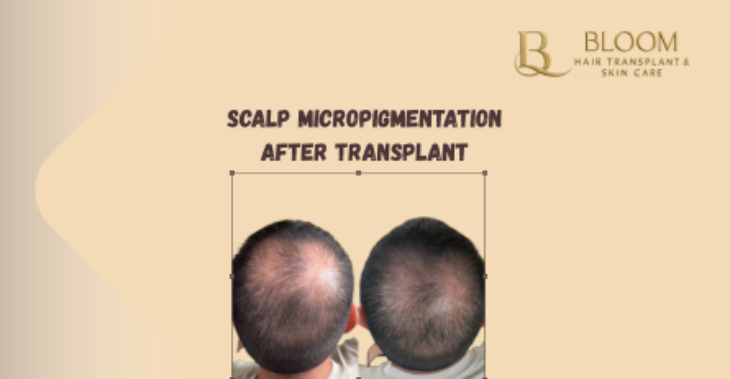
Scalp Micropigmentation After Transplant: Understanding Combo Results
Hair restoration today is no longer limited to just one approach. Modern hair loss management often combines different techniques to improve the overall appearance of scalp coverage, density, and confidence. One such increasingly popular combination is scalp micropigmentation after a hair transplant.
Many individuals who undergo hair transplant procedures later explore additional methods to improve the visual appearance of density, reduce scalp visibility, or enhance the cosmetic blending of transplanted areas. This is where scalp micropigmentation, commonly known as SMP, may sometimes play a supportive role.
Scalp micropigmentation is a cosmetic scalp camouflage technique where specialised pigment impressions are applied to the scalp to create the appearance of fuller density or closely shaved hair follicles. When combined carefully with hair transplant planning, SMP may help improve the visual illusion of density in selected individuals.
Across India, awareness regarding SMP has increased rapidly because more people are now exploring non-surgical cosmetic enhancement options alongside modern hair restoration procedures.
However, many individuals remain confused regarding how SMP actually works, whether it replaces a transplant, whether it looks natural, and who may benefit from combining both approaches.
The reality is that scalp micropigmentation is not a substitute for actual hair growth. Instead, it is mainly a visual enhancement technique that may complement hair restoration in selected cases.
This detailed guide explains scalp micropigmentation after transplant in simple language, including how SMP works, who may benefit, advantages, limitations, recovery, long-term maintenance, cosmetic expectations, and how combination planning is approached.
What Is Scalp Micropigmentation?
Scalp micropigmentation is a cosmetic scalp pigmentation procedure designed to create the illusion of fuller-looking hair density.
During the procedure:
- Specialised pigments are applied carefully
- Tiny dot-like impressions are created
- The scalp appearance is blended strategically
- Visual density is enhanced cosmetically
The technique is often compared to a highly specialised cosmetic tattoo effect for the scalp.
However, SMP differs from traditional tattooing in technique, depth, and aesthetic purpose.
How Does SMP Work After a Hair Transplant?
After a hair transplant, some individuals may still notice:
- Mild scalp visibility
- Diffuse density appearance
- Crown thinning visibility
- Scar visibility
- Uneven cosmetic blending
SMP may sometimes help reduce the contrast between hair and scalp visibility.
This can create the appearance of improved fullness.
Why Do Some Patients Combine Hair Transplant and SMP?
Combination planning may be considered in selected situations.
To Improve the Appearance of Density
Even successful transplants may not recreate the density of natural teenage hair.
SMP may help create a fuller visual effect.
To Camouflage Scalp Visibility
Pigmentation may reduce visible contrast between hair and scalp.
To Improve Crown Appearance
The crown area often requires a large number of grafts.
SMP may help improve visual blending in this region.
To Camouflage Minor Scars
In selected cases, SMP may help reduce the appearance of donor scars.
Does SMP Create New Hair?
No.
This is one of the most important points to understand.
Scalp micropigmentation does not create new follicles or actual hair growth.
It is purely a cosmetic visual enhancement technique.
Who May Be Suitable for SMP After a Hair Transplant?
Suitability depends on multiple factors.
Some individuals may consider SMP if they have:
- Mild scalp visibility after transplant
- Diffuse thinning appearance
- Crown density concerns
- Scar visibility
- Limited donor availability
- Preference for cosmetic enhancement
Each case requires individual assessment.
Importance of Proper Timing
SMP is usually not performed immediately after surgery.
The scalp typically requires adequate healing time before cosmetic pigmentation planning.
Proper timing helps support:
- Better healing
- Reduced irritation
- Improved pigment settling
- Safer scalp recovery
Areas Commonly Treated with SMP
Crown Area
SMP may help improve the appearance of crown density.
Mid-Scalp Thinning
Diffuse thinning areas may benefit cosmetically.
Donor Scar Camouflage
Pigmentation may reduce visible contrast in certain scars.
Overall Density Enhancement
Some individuals use SMP to create fuller visual blending across the scalp.
Advantages of Combining SMP with Hair Transplant
Enhanced Visual Density
SMP may help hair appear fuller cosmetically.
Reduced Scalp Contrast
Pigmentation may reduce visible scalp exposure.
Support for Limited Donor Cases
SMP may complement restoration planning where donor supply is limited.
Non-Surgical Cosmetic Enhancement
SMP itself is generally considered minimally invasive.
Limitations of Scalp Micropigmentation
Although SMP offers cosmetic advantages, it also has limitations.
It Does Not Create Hair Growth
SMP only creates the appearance of density.
Pigment May Fade Gradually
Touch-ups may be required over time.
Hair Colour Changes Matter
Natural greying hair may affect blending over time.
Artistic Skill Is Extremely Important
Poorly performed SMP may appear unnatural.
Importance of Natural Hairline Planning
SMP near the frontal hairline requires careful aesthetic judgement.
Artificial-looking density or poorly designed pigment placement may appear unnatural.
Artistic planning remains extremely important.
Common Myths About SMP After Hair Transplant
“SMP Replaces Hair Transplant Completely”
SMP is a cosmetic enhancement technique, not actual follicle restoration.
“SMP Looks Fake in Every Case”
Natural-looking results depend heavily on proper planning and artistic execution.
“One Session Lasts Forever”
Pigment may gradually fade and require maintenance.
“Anyone with Hair Loss Needs SMP”
Not every individual requires cosmetic pigmentation.
Recovery After SMP
Recovery is usually relatively short.
Some individuals may notice temporary:
- Mild redness
- Scalp sensitivity
- Temporary dryness
Proper aftercare guidance remains important.
Importance of Scalp Health Before SMP
Healthy scalp condition helps support better cosmetic results.
Individuals with active scalp inflammation or untreated scalp disorders may require evaluation before proceeding.
People focusing on long-term scalp wellness and preventive maintenance often explore educational guidance related to hair loss care to better understand scalp preparation, hair thinning awareness, and healthy follicle management.
Does SMP Affect Existing Hair?
When performed appropriately, SMP is generally designed to work alongside existing hair rather than damage it.
However, professional technique and hygiene standards remain important.
Emotional Impact of Hair Density Concerns
Even after hair restoration, some individuals continue feeling self-conscious about visible scalp exposure.
Concerns regarding density may affect:
- Confidence
- Social interactions
- Grooming comfort
- Hairstyle flexibility
- Emotional wellbeing
Combination approaches sometimes help improve cosmetic satisfaction.
Importance of Choosing an Experienced Clinic
Scalp micropigmentation requires both technical and artistic expertise.
Patients should focus on:
- Natural density planning
- Pigment matching
- Hygiene standards
- Scalp assessment
- Realistic counselling
- Long-term maintenance planning
Individuals exploring advanced cosmetic restoration planning often seek consultation at a Hair Transplant Clinic in Mumbai to better understand how SMP and transplant strategies may be combined thoughtfully.
Long-Term Maintenance After SMP
SMP may require occasional maintenance depending on:
- Skin type
- Sun exposure
- Pigment fading
- Lifestyle factors
- Scalp condition
Sun protection and proper scalp care help support longer-lasting cosmetic appearance.
Can Women Consider SMP?
Yes.
Women experiencing diffuse thinning may sometimes explore SMP as part of cosmetic density enhancement planning.
Suitability depends on:
- Hair loss pattern
- Scalp condition
- Existing density
- Cosmetic expectations
Lifestyle Habits Supporting Better Scalp Appearance
Long-term scalp wellness also depends on healthy habits.
Balanced Nutrition
Protein, vitamins, and minerals support healthier follicles.
Stress Management
Stress may worsen ongoing hair thinning.
Gentle Hair Care
Healthy scalp maintenance supports better cosmetic outcomes.
Proper Sleep
Sleep supports tissue repair and overall recovery.
Realistic Expectations Matter
No cosmetic enhancement method can fully recreate natural youthful density.
The goal usually focuses on:
- Improving visual appearance
- Reducing scalp visibility
- Enhancing cosmetic blending
- Supporting confidence
Realistic expectations help individuals feel more satisfied long-term.
Advanced Hair Restoration Awareness
Modern restoration planning increasingly combines:
- Hair transplantation
- Medical scalp care
- Cosmetic enhancement techniques
- Long-term donor management
People interested in understanding advanced aesthetic planning and modern restoration awareness often explore insights related to Celebrity Hair Transplant in Mumbai while learning about natural density enhancement, scalp camouflage approaches, and long-term confidence-building restoration solutions.
Conclusion
Scalp micropigmentation after transplant is a cosmetic enhancement approach that may help improve the appearance of density and reduce scalp visibility in selected individuals. Although SMP does not create actual hair growth, it can sometimes complement hair restoration planning by enhancing visual fullness and cosmetic blending.
Successful combination planning depends heavily on proper timing, scalp health, realistic expectations, natural artistic execution, and experienced professional guidance.
Instead of focusing only on marketing trends or dramatic promises, individuals considering SMP should prioritise personalised evaluation, long-term scalp wellness, donor preservation, and realistic cosmetic goals.
Modern hair restoration works best when medical planning, artistry, and thoughtful long-term management come together carefully.
FAQs
1. Does scalp micropigmentation grow new hair?
No. SMP does not create hair growth. It is a cosmetic technique that creates the visual appearance of fuller density.
2. Can SMP be done after a hair transplant?
Yes, in selected cases SMP may be considered after adequate healing to improve cosmetic density appearance.
3. Is scalp micropigmentation permanent?
SMP pigments may gradually fade over time, and maintenance sessions may sometimes be required.