

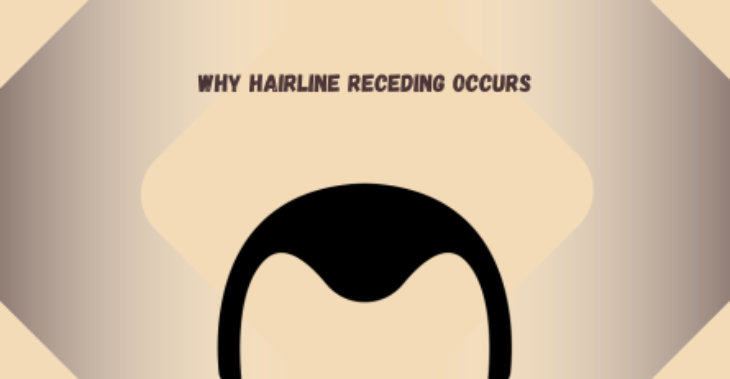
Why Hairline Receding Occurs: Causes, Early Signs and What to Do
A hairline that seems to be moving back can raise many questions. Is it a normal change with age, a family pattern, stress, tight hairstyles, or a sign of a medical problem? The answer depends on the pattern, pace and accompanying symptoms. A slowly changing hairline is different from sudden shedding, patchy loss or a receding band with scalp irritation.
Hair grows in cycles, and some shedding is normal. But when follicles repeatedly produce finer, shorter hairs—or stop producing visible hair in an area—the hairline can look thinner or higher. In many men, hereditary pattern hair loss is the common explanation for gradual recession at the temples. Women may notice widening of the central part or thinning across the top rather than a typical receding front edge. Other causes, including prolonged tension from hairstyles and inflammatory scalp conditions, need a different approach.
This guide explains why a hairline may recede, how to recognise patterns that deserve attention, and what a sensible assessment and treatment conversation can involve. It is intended for general information, not self-diagnosis: hair loss has several possible causes, and treatment works best when it matches the cause.
What Does a Receding Hairline Look Like?
A Hairline Receding means the edge of visible scalp hair has moved backwards or become less dense. It may begin at both temples, create an M-shaped outline, become uneven, or appear as a band of thinning across the forehead. Some people notice more scalp showing in photographs or find that the front hair looks finer when wet or under bright light.
The hairline naturally varies between individuals. It can also mature gradually after adolescence without indicating a disease. What matters is whether there is a progressive change compared with the person’s earlier pattern, whether density is falling elsewhere, and whether symptoms such as itching, redness, pain, scaling or eyebrow loss are present.
A receding front line is not the same as general hair shedding. Excessive shedding may make hair look thinner over the whole scalp, while pattern hair loss often follows a recognisable distribution. Both can occur together, so a clinician may need to examine the scalp and ask about recent health changes.
Common Causes of Hairline Recession
1. Hereditary pattern hair loss
Androgenetic alopecia, also called pattern hair loss, is a common cause of gradual thinning. It reflects a combination of inherited susceptibility and the response of hair follicles to hormones called androgens. In susceptible areas, follicles gradually shrink and produce finer, shorter hairs over successive growth cycles. This process is called miniaturisation.
In men, thinning often begins around the temples or front hairline and may later involve the crown. The rate and pattern vary widely, and having relatives with hair loss can increase the likelihood, but family history does not predict exactly when or how much hair an individual will lose. In women, hereditary pattern loss more often appears as thinning over the crown or a widening part; the frontal hairline is commonly preserved, although patterns can differ.
The condition can begin in early adulthood or later. It is not caused by poor hygiene, wearing a helmet or routine shampooing. The change may feel sudden when noticed, even though follicle miniaturisation usually develops over time.
2. Traction from tight hairstyles
Repeated pulling on the hair can injure follicles along the hairline. Tight ponytails, buns, braids, extensions, heavy hair accessories and styles that cause persistent tension may contribute to traction alopecia. This can affect people of any gender and is not limited to one hairstyle or community.
Early clues include soreness, stinging, small bumps, broken hairs or thinning where the style pulls most strongly. The temples and forehead edge are common sites. If the tension continues for a long time, scarring can occur and regrowth may become difficult. Reducing or stopping the pulling early is important; continuing a painful hairstyle because it looks neat can allow the problem to progress.
3. Inflammatory or scarring hair loss
Some scalp conditions inflame and damage follicles, sometimes leading to permanent loss in affected areas. Frontal fibrosing alopecia is one example: it can present as a slowly receding band along the front and sides of the scalp, and eyebrow thinning or loss may appear before or alongside the hairline change. It is more often recognised in women, but hairline recession should not be dismissed based on age or gender alone.
Redness, scaling around individual hairs, itching, burning, tenderness or a shiny area with fewer visible follicle openings can be clues that need prompt medical review. These signs are not enough to confirm a diagnosis, but early assessment matters because treatment may aim to control inflammation and reduce further loss.
4. Temporary shedding after illness or stress
A fever, significant illness, surgery, childbirth, major physical stress, rapid weight loss or restrictive dieting can shift more hairs into the shedding phase. This is called telogen effluvium. Shedding often becomes noticeable weeks or months after the trigger and tends to affect the scalp more diffusely rather than only the front hairline.
When overall shedding increases, a pre-existing hairline may look more exposed. This does not necessarily mean the hairline itself is permanently receding. The trigger, timing and distribution help distinguish temporary shedding from pattern loss. For more context on sudden hair shedding after illness, consider how the shedding began and whether it is diffuse or focused in a particular region.
5. Medical conditions, nutrition and medicines
Thyroid disorders, iron deficiency, some other nutritional deficiencies, hormonal changes and certain medicines can contribute to hair loss. These causes often produce diffuse thinning or shedding rather than a classic temple recession, but presentations overlap. Poorly balanced diets, low protein intake and rapid weight-loss plans may affect hair growth, particularly when nutritional intake is inadequate.
Do not assume that every person with hair loss needs the same blood tests or supplements. A clinician decides whether investigations are appropriate based on history, examination, diet, symptoms, medicines and other health factors. Taking iron, biotin or high-dose supplements without a demonstrated need may be ineffective and can sometimes cause harm or interfere with tests.
6. Hair and scalp practices
Frequent high-heat styling, chemical processing and rough handling may cause breakage. Breakage can make the front look thinner without the follicle itself being permanently lost. Dandruff or scalp inflammation may increase scratching and irritation, but ordinary washing does not cause hereditary hair loss.
Oil massage can make hair feel softer, but it does not reverse follicle miniaturisation or treat every cause of recession. If a product causes burning, redness or itching, stop using it and seek advice if symptoms continue. Avoid applying multiple home remedies or strong products to an irritated scalp.
How to Tell Which Pattern May Be Present
Observing the pattern over time can help a clinician, but photographs cannot provide a diagnosis by themselves. Take clear images in similar lighting and from the front, temples and crown every few months rather than checking repeatedly each day. Note when the change began, whether shedding is diffuse or localised, and whether the scalp feels itchy, sore or flaky.
Gradual temple recession with thinning at the crown and a family history may fit hereditary pattern hair loss. Diffuse shedding that follows illness or a major life event may suggest a temporary shedding process. A front-edge pattern associated with tight hairstyles and broken hairs may point towards traction. A smooth receding band with eyebrow thinning or scalp inflammation needs timely assessment for a scarring condition.
These are clues, not rules. People can have more than one cause—for example, hereditary thinning alongside temporary shedding. A dermatologist or hair-loss clinician may examine the scalp with magnification, assess hair shaft variation and decide whether blood tests or a scalp biopsy are needed. A biopsy is not required for everyone; it is considered when the diagnosis is uncertain or scarring disease is suspected.
When to See a Dermatologist
Book an assessment if the hairline is progressively changing, hair loss is affecting confidence, the pattern is unclear or over-the-counter treatments have not helped. Seek earlier review if there is sudden patchy loss, rapid recession, eyebrow or eyelash loss, scalp pain, persistent itching, redness, scaling, pustules or shiny areas where follicle openings seem absent.
Hair loss after a new medicine, childbirth, a major illness or a restrictive diet should also be discussed with a clinician, especially if it is persistent or accompanied by other symptoms. Do not stop a prescribed medicine without speaking to the doctor who recommended it. A medical assessment is particularly useful before starting treatments that can affect blood pressure, hormones, pregnancy planning or other health conditions.
Treatment Depends on the Cause
Treatment for hereditary pattern loss
For pattern hair loss, a clinician may discuss topical medicines such as minoxidil and, for selected patients, prescription options. Suitability depends on age, sex, medical history, pregnancy or breastfeeding status, and the treatment’s risks and monitoring needs. Results take time and usually require continued use to maintain benefit. Not everyone responds in the same way.
Prescription medicines that affect androgen pathways are not appropriate for everyone and should not be started through informal advice. Discuss possible adverse effects, interactions and plans for pregnancy with the prescribing clinician. Avoid buying unverified products promoted as guaranteed regrowth solutions.
Treatment for traction alopecia
The first step is removing the repeated pull: loosen the style, reduce extensions or heavy accessories, and change the pattern of tension. If inflammation or early follicle injury is present, a dermatologist may recommend medical treatment. Long-standing scarring traction loss can be less responsive, which is why early action matters.
Treatment for inflammatory conditions
Scarring alopecias require diagnosis and treatment by a clinician. The aim is often to control inflammation and prevent further follicle damage; existing scarred areas may not regrow hair. Do not treat a receding band with eyebrow loss only as routine ageing or pattern baldness.
Hair transplantation
Hair transplantation may be an option for carefully selected people with stable, diagnosed hair loss and suitable donor hair. It redistributes follicles; it does not stop ongoing loss in untreated areas or guarantee a particular density. A specialist should discuss candidacy, realistic limits, risks, future progression and medical management before surgery. If considering a Hair transplant clinic in Mumbai, ask for a diagnosis and a complete treatment plan rather than assuming a procedure is the first step.
What You Can Do to Support Hair and Scalp Health
Everyday care cannot change inherited susceptibility, but it can reduce avoidable damage and support general health:
- Choose hairstyles that do not pull or cause pain, and vary where the hair is tied.
- Use a wide-tooth comb on wet hair and avoid forceful brushing of fragile strands.
- Limit repeated high heat and harsh chemical treatments, especially if the hair is breaking.
- Eat a varied diet with adequate protein and iron-containing foods suited to your health and dietary pattern.
- Avoid crash diets and unverified supplements marketed for rapid hair growth.
- Treat persistent dandruff or scalp irritation with appropriate medical advice rather than scratching.
- Take clear, spaced-out photographs if you want to track change; daily inspection can make small variations feel more dramatic.
- Ask a clinician before starting medicines, especially if pregnant, breastfeeding, trying to conceive or managing a chronic condition.
For practical information about hair transplant care, focus on evidence-based assessment, scalp health and realistic expectations rather than quick fixes.
Can a Receding Hairline Be Prevented?
Not every cause is preventable. Hereditary pattern hair loss cannot be reliably prevented through shampoo, oil or a particular haircut. However, people can reduce traction by avoiding persistent tension and may limit preventable breakage by using gentler styling practices. Addressing nutritional deficiencies or medical contributors can help when they are present, but supplements should be targeted rather than taken automatically.
Early assessment can be valuable when there are signs of inflammation or scarring, because treatment goals may include preventing additional loss. For hereditary hair loss, a clinician can explain whether treatment is worthwhile and what maintenance it involves. The right plan is based on diagnosis, priorities and health—not on pressure to act quickly.
A receding hairline may occur because of hereditary pattern hair loss, repeated hairstyle tension, inflammatory scalp disease, temporary shedding or a medical contributor. The location and speed of change, scalp symptoms, eyebrow involvement and recent health events help narrow the possibilities, but they cannot confirm the cause on their own.
Avoid self-diagnosis based on a single photograph or starting multiple products at once. If the hairline is changing steadily, loss is sudden or patchy, or the scalp is painful, inflamed or losing eyebrow hair, arrange a dermatologist’s assessment. An accurate diagnosis helps distinguish conditions that need different treatment and prevents unnecessary procedures or supplements.
FAQ
1. What is the most common reason for a receding hairline?
A common cause, especially in men, is hereditary pattern hair loss, in which susceptible follicles gradually produce finer hairs. Tight hairstyles can also damage the hairline, while inflammatory conditions, temporary shedding and medical factors are other possibilities. The pattern and examination help identify the likely cause.
2. Can a receding hairline grow back naturally?
It depends on the cause. Temporary shedding may improve after the trigger has resolved, and early traction-related loss may recover after pulling stops. In hereditary pattern loss, follicles tend to miniaturise progressively, so spontaneous full restoration is less predictable. Scarring hair loss may be permanent in affected areas, which is why persistent or inflammatory changes need assessment.
3. Does wearing a helmet cause a receding hairline?
A helmet worn at a proper fit is not a usual cause of hereditary hairline recession. Persistent friction or pressure may irritate the scalp or break hair in some circumstances, but this differs from follicle miniaturisation. Tight hairstyles, family-pattern hair loss and scalp conditions are more relevant causes to assess; avoid poorly fitting headwear that causes discomfort and seek advice if symptoms continue.