

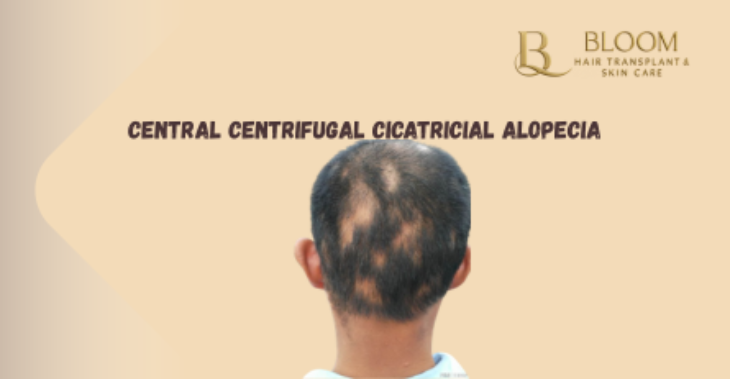
Central Centrifugal Cicatricial Alopecia Explained Simply
Hair loss can affect people in many different ways. Some individuals notice gradual thinning over years, while others experience sudden shedding or patchy bald spots. Among the lesser-known but important forms of hair loss is Central Centrifugal Cicatricial Alopecia, commonly referred to as CCCA.
CCCA is a type of inflammatory scarring alopecia that usually begins near the crown or centre of the scalp and gradually spreads outward over time. Because the condition progresses slowly in many cases, it is often misunderstood during the early stages. Some individuals initially assume it is regular hair fall, dryness, dandruff, or damage caused by hairstyling.
However, unlike temporary shedding conditions, CCCA may cause permanent follicular damage if inflammation continues untreated for a long period.
Awareness regarding inflammatory scalp conditions is still growing across India. Many people continue trying oils, cosmetic products, or home remedies while the underlying scalp inflammation quietly progresses. Unfortunately, delayed diagnosis may allow more follicles to become permanently damaged.
The positive aspect is that early recognition and proper scalp care may help slow progression, reduce inflammation, and preserve healthier follicles.
This detailed guide explains Central Centrifugal Cicatricial Alopecia in simple language, including its causes, symptoms, warning signs, diagnosis, emotional impact, scalp care guidance, treatment options, and the importance of early intervention.
What Is Central Centrifugal Cicatricial Alopecia?
Central Centrifugal Cicatricial Alopecia is a type of scarring hair loss.
It usually begins in the central crown region of the scalp and gradually spreads outward.
The term:
- “Central” refers to the centre of the scalp
- “Centrifugal” refers to outward spreading
- “Cicatricial” means scarring
- “Alopecia” means hair loss
The condition involves inflammation around hair follicles.
Over time, this inflammation may damage the follicles permanently.
Why Is CCCA Considered Serious?
Unlike temporary hair shedding, scarring alopecia conditions may destroy follicles permanently.
Once follicles become severely scarred, natural regrowth in those areas becomes difficult.
That is why early awareness and timely evaluation become extremely important.
Common Symptoms of CCCA
Symptoms may vary from person to person.
Some individuals notice discomfort early, while others mainly observe thinning.
Crown Hair Thinning
One of the earliest signs is gradual thinning near the crown area.
The scalp may become increasingly visible over time.
Scalp Tenderness
Some people experience scalp sensitivity or discomfort.
Burning or Itching Sensation
Persistent irritation may indicate active inflammation.
Hair Breakage
Hair strands may appear weaker and more fragile.
Patchy Hair Loss
The thinning may slowly spread outward from the centre.
Smooth or Shiny Scalp Areas
Scarred scalp regions may appear smoother than surrounding areas.
What Causes Central Centrifugal Cicatricial Alopecia?
The exact cause is not fully understood.
However, several factors may contribute.
Chronic Scalp Inflammation
Persistent inflammation around follicles plays a major role.
Genetic Predisposition
Some individuals may have inherited susceptibility.
Hairstyling Practices
Repeated scalp trauma from tight hairstyles, excessive heat, or harsh chemical procedures may contribute to scalp stress.
Chemical Hair Treatments
Frequent straightening, rebonding, or chemical exposure may irritate the scalp.
Heat Damage
Excessive heat styling may weaken hair and scalp health.
Follicular Stress
Repeated tension and irritation may worsen inflammation in vulnerable individuals.
Early Warning Signs You Should Not Ignore
Recognising symptoms early may support earlier scalp assessment.
Persistent Crown Thinning
Gradual thinning at the crown should not be ignored.
Burning or Tenderness
Scalp discomfort may indicate active inflammation.
Increased Hair Breakage
Weakening hair quality may accompany follicular stress.
Itching with Hair Loss
Persistent irritation combined with thinning deserves attention.
Expanding Bald Areas
The thinning may slowly spread outward over time.
Emotional Impact of CCCA
Hair loss affecting the crown area can feel emotionally distressing.
Many individuals experience:
- Reduced confidence
- Anxiety about appearance
- Frustration during grooming
- Emotional stress
- Social discomfort
- Fear of permanent baldness
Because the progression is gradual, some individuals feel shocked once the thinning becomes visibly advanced.
Why Early Diagnosis Matters
Inflammation may continue silently beneath the scalp surface even before large bald patches appear.
Early diagnosis may help:
- Slow progression
- Preserve healthy follicles
- Reduce inflammation
- Improve scalp comfort
- Support long-term management
Delaying professional evaluation may increase the risk of permanent follicular damage.
Common Mistakes People Make
Ignoring Early Thinning
Many individuals assume the crown thinning is temporary.
Excessive Oiling and Home Remedies
Aggressive treatments may irritate sensitive scalp tissue.
Frequent Chemical Procedures
Repeated chemical exposure may worsen scalp inflammation.
Delaying Medical Assessment
Persistent scalp symptoms deserve proper evaluation.
Importance of Healthy Scalp Care
Although scalp care alone may not completely reverse scarring damage, supportive scalp habits remain important.
Gentle Cleansing
Use mild scalp-friendly products suitable for sensitive scalp conditions.
Avoid Excessive Heat Styling
Heat may worsen dryness and irritation.
Reduce Tight Hairstyles
Constant traction may increase follicular stress.
Limit Harsh Chemicals
Frequent chemical procedures may irritate vulnerable follicles.
Protect the Scalp
Scalp protection helps support healthier skin comfort. People interested in improving long-term scalp wellness often explore educational guidance related to hair loss care to better understand preventive scalp maintenance and inflammatory hair loss awareness.
Nutritional Support for Hair Health
Balanced nutrition supports overall scalp function.
Protein
Protein supports healthy hair structure.
Iron
Iron deficiency may worsen overall thinning.
Vitamin D
Vitamin D supports scalp and immune health.
Zinc and Omega-3 Fatty Acids
These nutrients support healthier scalp wellness.
When Should You Consult a Specialist?
Professional evaluation becomes important if:
- Crown thinning continues worsening
- Burning or tenderness develops
- Bald areas spread gradually
- Hair breakage increases significantly
- The scalp becomes smooth or shiny
- Home remedies fail to improve symptoms
Early diagnosis may help preserve more follicles.
Diagnosis and Scalp Assessment
Doctors may evaluate:
- Hair density
- Crown thinning pattern
- Signs of inflammation
- Scalp texture
- Follicular damage
- Hairstyling history
- Medical history
- Progression timeline
In some cases, scalp imaging or biopsy may be recommended.
Treatment Approaches for CCCA
Treatment focuses mainly on slowing progression and reducing inflammation.
Anti-Inflammatory Management
Doctors may recommend therapies aimed at controlling scalp inflammation.
Scalp Care Support
Gentle scalp management may help reduce irritation.
Lifestyle and Nutritional Support
Healthy lifestyle habits support overall scalp wellness.
Monitoring Disease Progression
Regular follow-up may help assess scalp stability.
Hair Restoration Planning
Hair restoration procedures may only be considered when the condition remains stable for a prolonged period.
Some individuals exploring long-term density restoration awareness choose to learn more through a Hair Transplant in Mumbai consultation while understanding realistic expectations for scarring hair loss conditions.
Can Hair Grow Back in CCCA?
Hair regrowth depends on the stage of follicular damage.
Once follicles become permanently scarred, natural regrowth may become difficult.
That is why preserving unaffected follicles early becomes extremely important.
Myths About Central Centrifugal Cicatricial Alopecia
“It Is Just Normal Hair Fall”
Persistent crown thinning with inflammation should not be ignored.
“Hair Oils Alone Can Reverse Scarring Hair Loss”
Oils may improve scalp conditioning but cannot fully reverse scarred follicles.
“Only Older Individuals Experience CCCA”
The condition may affect different age groups.
“Ignoring Mild Symptoms Is Safe”
Early inflammation may progress gradually if untreated.
Daily Coping Strategies
Managing progressive hair thinning can feel emotionally difficult.
Helpful coping approaches may include:
- Gentle hairstyling
- Stress reduction
- Avoiding scalp trauma
- Maintaining realistic expectations
- Seeking early guidance
- Prioritising scalp health
Mental wellbeing remains an important part of long-term management.
Long-Term Scalp Wellness Tips
Focus on:
- Balanced nutrition
- Proper hydration
- Gentle scalp care
- Limiting harsh chemicals
- Reducing heat exposure
- Stress management
- Regular scalp monitoring
Individuals interested in understanding modern hair restoration awareness and advanced aesthetic planning often explore insights related to Celebrity Hair Transplant in Mumbai while learning about realistic restoration approaches and long-term scalp wellness strategies.
Importance of Awareness and Timely Action
Many individuals with inflammatory scalp conditions delay professional assessment because the changes initially appear subtle.
Unfortunately, silent inflammation may continue damaging follicles underneath the scalp surface.
Greater awareness about CCCA and other scarring alopecia conditions may help individuals seek earlier guidance and reduce avoidable follicular destruction.
Early action often improves the chances of preserving healthier hair density.
Conclusion
Central Centrifugal Cicatricial Alopecia is a progressive inflammatory scalp condition that may lead to permanent follicular damage if ignored for too long. Although the condition can feel emotionally overwhelming, early awareness and timely scalp evaluation may help support healthier long-term management.
Recognising warning signs such as crown thinning, scalp tenderness, burning sensation, and progressive hair loss allows individuals to seek guidance before more follicles become permanently damaged.
Instead of relying only on home remedies or delaying evaluation, people experiencing persistent scalp symptoms should focus on scalp wellness, balanced nutrition, gentle scalp care, and professional guidance.
Healthy scalp awareness remains an important part of preserving long-term hair confidence.
FAQs
1. Is Central Centrifugal Cicatricial Alopecia permanent?
CCCA may cause permanent follicular damage if inflammation destroys the hair follicles completely.
2. What are the early signs of CCCA?
Early signs may include crown thinning, scalp tenderness, itching, burning sensation, and increased hair breakage.
3. Can hairstyling practices worsen CCCA?
Repeated scalp tension, excessive heat, and harsh chemical treatments may contribute to scalp irritation and follicular stress in vulnerable individuals.